Transnational Repression: Silencing Pakistani Voices Abroad
What is Transnational Repression?
Transnational repression occurs when governments extend their authoritarian influence beyond national borders to harass, intimidate, or silence critics living abroad. Targets often include journalists, political activists, human rights defenders, and social media voices. Since April 2022, following the ousting of former Prime Minister Imran Khan, Pakistan has been widely criticized for targeting its critics across Europe, the United States, and the UK—many of whom fled the country due to threats to their safety.
Intimidation Beyond Borders
Critics living abroad have reported persistent harassment, digital attacks, and smear campaigns. Some have experienced hacking attempts on personal accounts, while intermediaries have threatened them to stop reporting or face consequences. Families of these individuals, still residing in Pakistan, have reportedly been harassed, detained, or abducted as a means of coercion.
Notable Victims of Transnational Repression
Prominent targets include:


Journalist Ahmed Noorani, United States
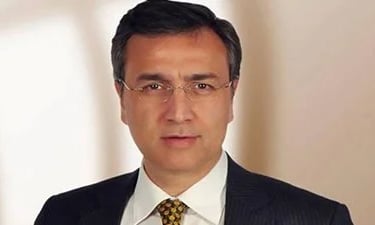
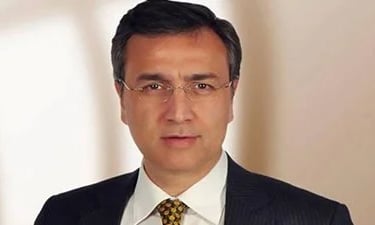
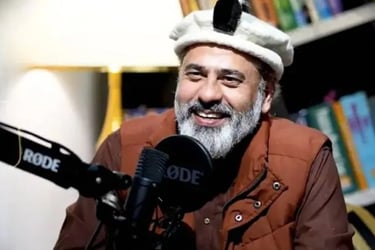
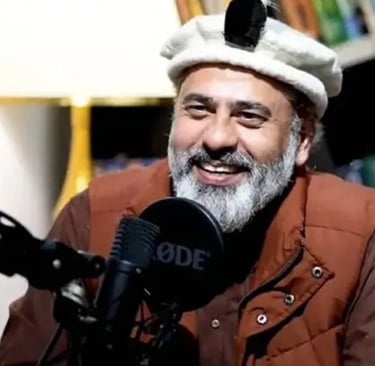

Journalist Dr Mooed Pirzada, United States
Journalist Imran Riaz, United Kingdom
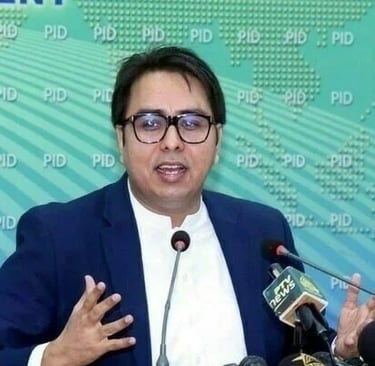
Politician Dr Shahbaz Gill, United States
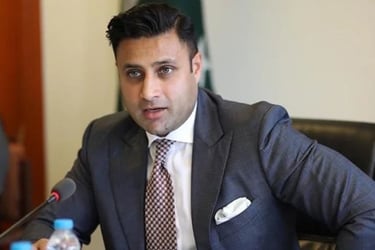
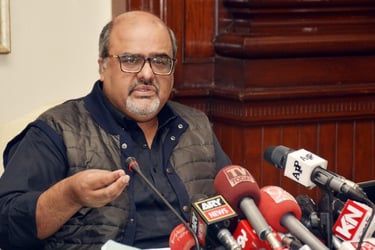
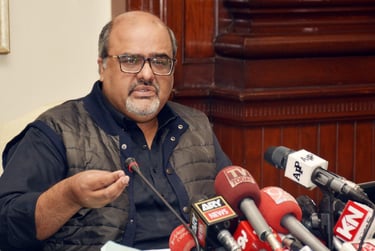


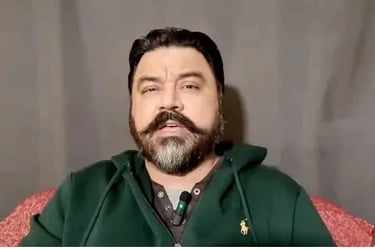
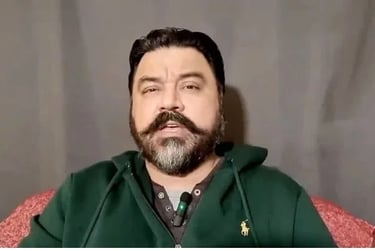
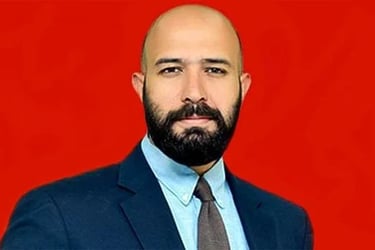
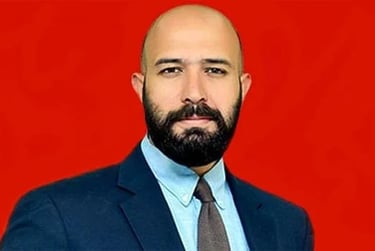

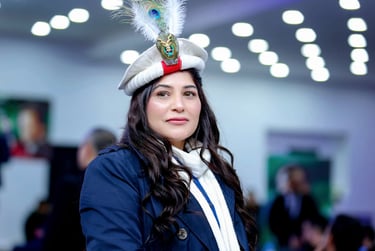
Journalist Zukfi Bukhari, United States
Barrister and Political Vlogger Shahzad Akbar, United Kingdom
Social Media Activist Azhar Mashwani, United Kingdom
Journalist Major Adil Raja, United States
Activist Sara Mir, United Kingdom
Journalist Wajahat S. Khan, United States
International Response
Efforts to document and respond to transnational repression have increased. In the UK, victims have shared their experiences with the Human Rights Commission as part of the National Enquiry into Transnational Repression launched in January 2025. In the U.S., the FBI maintains resources to help individuals identify and respond to such threats, including a Threat Intimidation Guide.
In May 2025, U.S. Secretary of State Marco Rubio introduced a visa restriction policy to target foreign officials complicit in transnational repression, denying them entry to penalize Americans for their online or public speech. During the Tom Lantos Human Rights Commission Hearing in June 2025, Pakistani journalist Ahmed Noorani testified about transnational harassment, including threats and abduction of his family in Pakistan.
Digital Censorship and Online Repression
Transnational repression extends to the digital sphere. In Pakistan, a court directive dated June 24, 2025, targeted over two dozen YouTube channels critical of the government, including those linked to PTI, Imran Khan, and independent journalists. The National Cyber Crime Investigation Agency accused these channels of sharing “highly intimidating, provocative, and derogatory content” against state institutions.
This demonstrates the growing use of digital censorship and extraterritorial pressure to silence dissenting voices, curtail freedom of expression, and intimidate critics both inside and outside Pakistan.
Summary
Transnational repression by the Pakistani state is a sophisticated and far-reaching campaign to control narratives, suppress dissent, and intimidate activists abroad. From harassment of journalists to threats against their families and online censorship, these practices violate fundamental human rights and demonstrate a disturbing extension of authoritarian power beyond national borders.
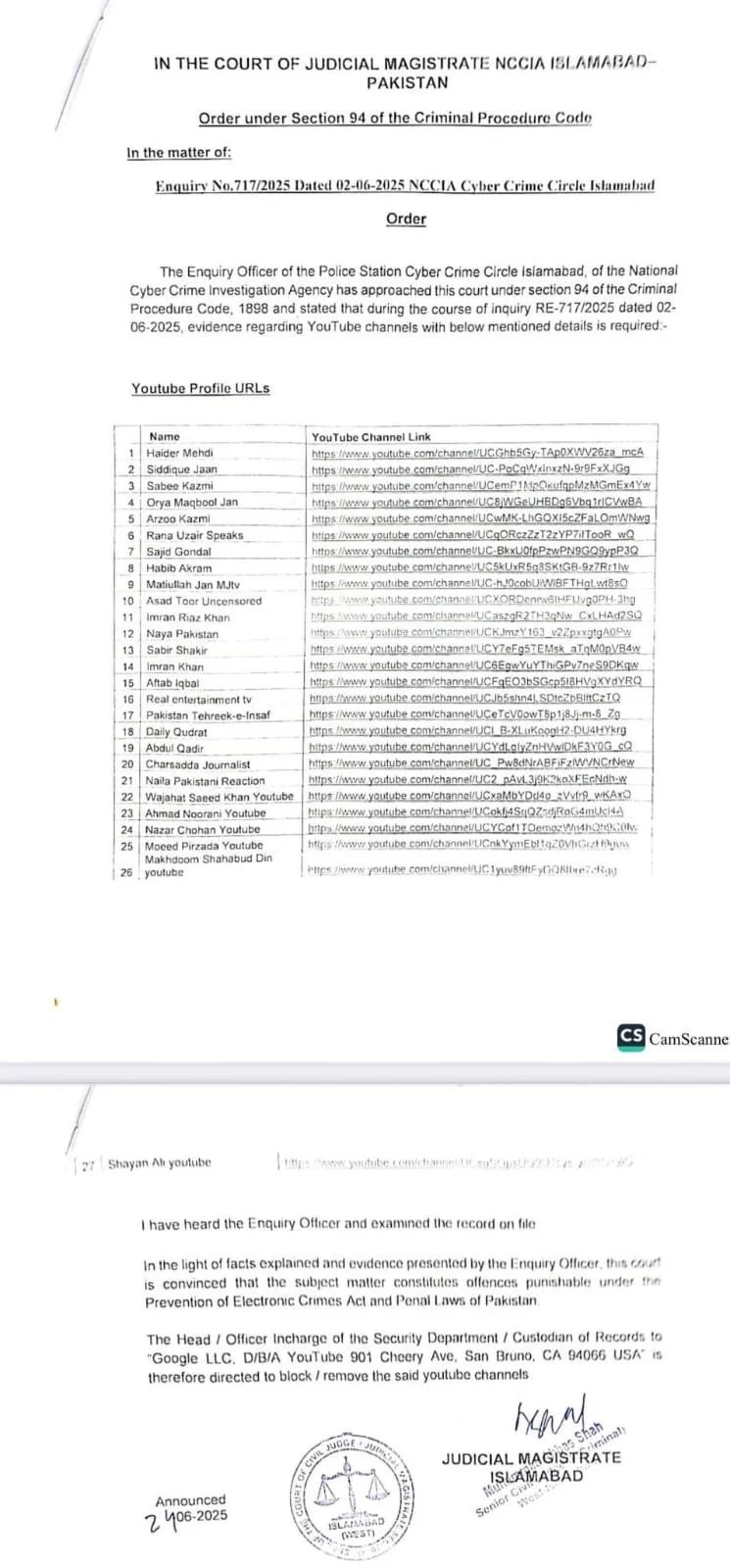
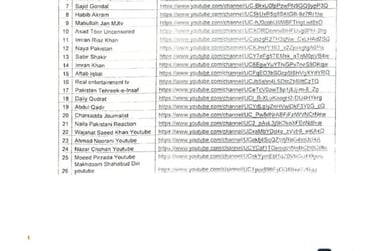
A court order designating YouTube channels as offenders under a controversial and improper application of the Electronic Crimes Act to surpress dissenting voices online.
ABABEEL
Email: support@ababeel.org
Phone: +358 46 9689508
© 2025 ABABEEL