Arbitrary Detentions: Targeting Political Leaders and Human Rights Activists in Pakistan
A Surge in Political Detentions
Since April 2022, Pakistan has experienced a marked increase in arbitrary detentions targeting political figures, journalists, and human rights activists. These detentions reflect a systematic effort to silence opposition and suppress dissent, undermining democratic freedoms and civil liberties.
High-Profile Cases: Imran Khan and Mahrang Baloch
The most prominent example is the arrest of former Prime Minister Imran Khan on 5 August 2023. His detention drew international attention as a symbol of the government’s broader campaign against political dissent. Khan has been prevented from participating in political activities, including the 2024 general elections, raising serious concerns over the manipulation of the legal system for political purposes.
Human rights activist Mahrang Baloch, a leading figure of the Baloch Yakjehti (Solidarity) Committee, was arrested on 22 March 2025 during a peaceful protest in Quetta. Despite widespread calls for her release from the United Nations and international human rights organizations, she remains imprisoned without formal charges. Both Khan and Baloch are reportedly nominees for the Nobel Peace Prize 2025, highlighting their global recognition as advocates for justice and human rights.
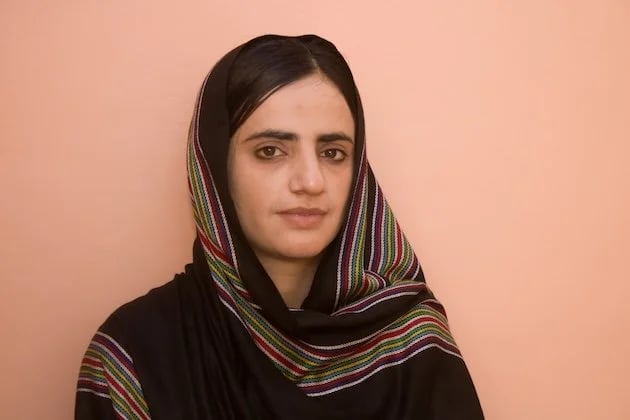
Baloch rights activist Mahrang Baloch, currently detained.
International Condemnation
In June 2024, the United Nations Working Group on Arbitrary Detention declared Khan’s imprisonment unlawful, noting that it lacked legal justification and appeared politically motivated. The UN called for his immediate release and for compensation to be provided. Amnesty International similarly condemned his detention, citing violations of fair trial standards and the deliberate misuse of Pakistan’s legal system to suppress political opposition.
Targeting Families, Journalists, and Social Media Activists
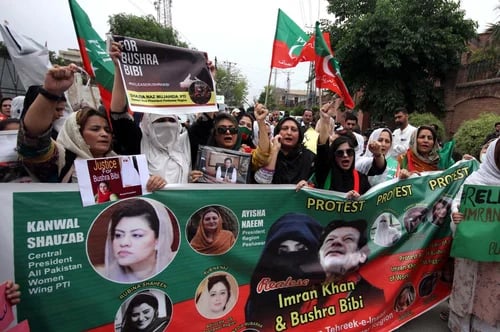
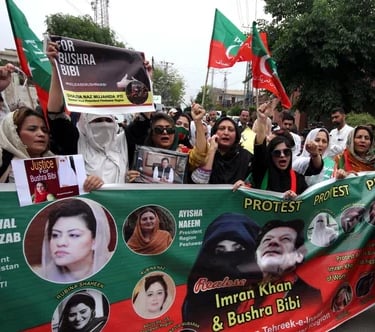
Repression has extended beyond political leaders to include family members, party supporters, journalists, and social media activists. Bushra Bibi, Khan’s wife, has been arbitrarily detained, along with senior leaders of the Pakistan Tehreek-e-Insaf (PTI). Independent journalists and online activists have faced arrests and harassment, creating a pervasive climate of fear that silences dissenting voices and weakens civic space across Pakistan.
Inhumane Conditions and International Law Violations
Detentions have been accompanied by documented human rights abuses, including solitary confinement, restricted access to healthcare, electricity blackouts, and psychological intimidation. Such treatment violates multiple international human rights conventions, including the Universal Declaration of Human Rights (UDHR) and the International Covenant on Civil and Political Rights (ICCPR). The use of coercion and intimidation against detainees highlights the broader systemic abuse of state power to suppress political activism.
Summary
The arbitrary detention of political leaders, human rights activists, journalists, and their families represents a deliberate and systematic erosion of democratic freedoms in Pakistan. These actions not only violate national and international law but also threaten the fundamental rights of citizens to participate freely in political and social life.
Activists of Tehreek-e-Insaf Women Wing are holding protest demonstration for release of Imran Khan and his wife Bushra Bibi, on April 26, 2024 in Peshawar.
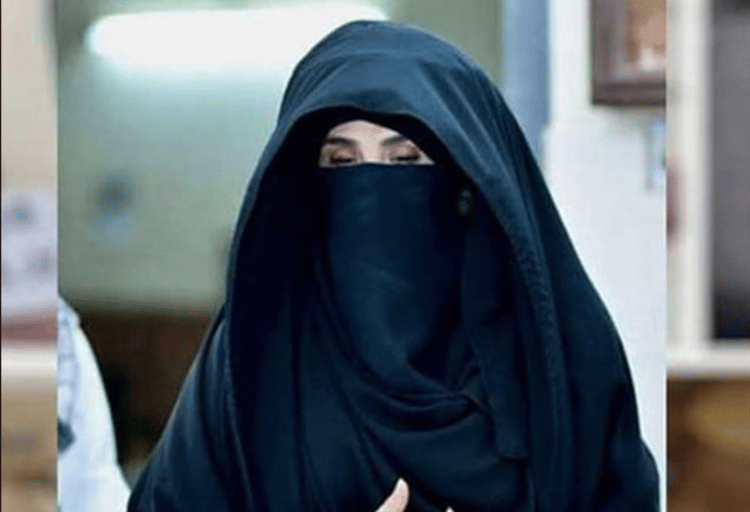
Wife of former Pakistani Prime Minister Bushra Bibi, currently detained.
ABABEEL
Email: support@ababeel.org
Phone: +358 46 9689508
© 2025 ABABEEL